Unwanted robocalls are a growing problem in New Hampshire, but residents can take action through the Telephone Consumer Protection Act (TCPA) and Do Not Call laws. Advanced blocking apps like Hiya and TrueCall use AI to identify and block automated calls, spam, and scammers. Enrolling in both federal and state Do Not Call registries, including exemptions for specific organizations, significantly reduces unwanted calls. Regularly updating preferences and staying informed about new laws further enhances protection, allowing residents to reclaim control over their communication and privacy.
In today’s digital era, robocalls have become a persistent nuisance, with millions of unwanted calls inundating Americans daily. New Hampshire residents are no exception, facing the challenge of filtering legitimate calls from intrusive marketing efforts. This comprehensive guide aims to empower folks in the Granite State to reclaim their phone lines by exploring top-rated apps designed to stop robocalls effectively. We’ll delve into the latest technologies and strategies, helping you navigate this labyrinthine issue with ease. Remember that protecting your personal space starts with understanding and utilizing the right tools, ensuring peace of mind in a bustling world.
Understanding Robocalls and New Hampshire Laws

Robocalls, automated phone calls made en masse using computer-generated voices, have become a ubiquitous nuisance across the United States, including New Hampshire. While many robocalls are for legitimate purposes like political campaigning or marketing, others are malicious, posing as local businesses to steal personal information or install malware. In New Hampshire, where privacy is highly valued, understanding and navigating the state’s Do Not Call laws is crucial in combating this modern scourge.
New Hampshire has specific regulations regarding unwanted calls, primarily centered around the Telephone Consumer Protection Act (TCPA). The TCPA allows consumers to register on a statewide Do Not Call list, which prohibits telemarketers from calling residential telephone numbers. However, it’s essential to note that these laws do not necessarily stop all robocalls, especially those using automated systems or pre-recorded messages, as they often bypass traditional call routing and are exempt from some TCPA provisions. For instance, while the New Hampshire Do Not Call list can block many telemarketers, it has limited effect on political organizations or non-profit groups making calls for charitable purposes.
To effectively combat robocalls, New Hampshire residents should familiarize themselves with their rights and available tools. Utilizing approved blocking apps that employ advanced algorithms to identify and filter out automated calls is a practical step. These applications often learn from user feedback and community-sourced data to improve accuracy. Additionally, consumers can install call-blocking features on their landlines or mobile devices, though these may require manual configuration and ongoing maintenance. By combining technology with awareness of legal protections, New Hampshire residents can better defend against the inundation of robocalls and regain control of their communication channels.
Top Apps to Block Unwanted Calls
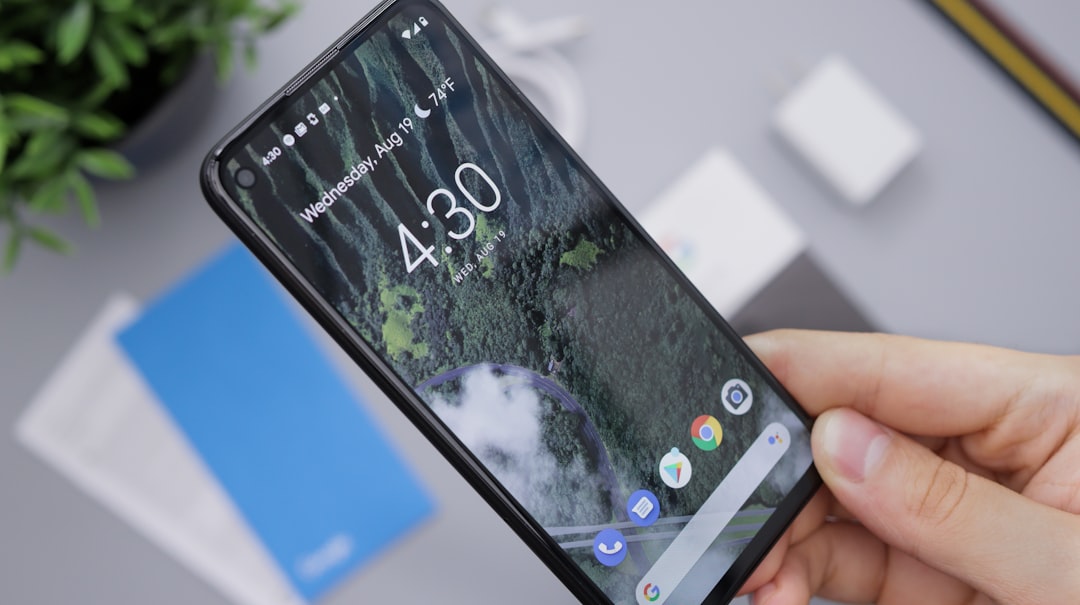
In the age of digital connectivity, unwanted robocalls have become a persistent nuisance for many New Hampshire residents. With the rise of automated calling systems, blocking these calls has become increasingly important to protect personal privacy and peace of mind. Fortunately, several top apps are available to combat this growing issue effectively. These applications offer sophisticated call-blocking technologies, ensuring that intrusive marketing calls and scams are stopped before they reach your phone.
One of the most popular and reliable options is Hiya, an app renowned for its advanced machine learning algorithms. It identifies not only robocalls but also provides insights into call patterns, allowing users to understand the types of unwanted calls they receive. Another notable mention is TrueCall, which has gained traction among users seeking robust call protection. This app offers a comprehensive database of known scammers and spam numbers, automatically blocking them. Additionally, it enables users to manually block specific callers, providing a tailored experience.
The Do Not Call Registry, enforced by the Federal Trade Commission (FTC), plays a crucial role in curbing robocalls. While it primarily relies on manual registration, many apps integrate this registry, ensuring that blocked numbers are updated and synchronized across devices. For instance, NoMoreRobocalls offers this feature, allowing users to register their number and enjoy a significant reduction in unwanted calls over time. By combining advanced call-blocking technology with compliance to Do Not Call laws, these apps empower New Hampshire residents to reclaim control of their communication channels.
Protecting Your Privacy: Do Not Call Registries

In New Hampshire, as across the nation, robocalls have become a pervasive and unwanted nuisance, with many targeting individuals seeking to protect their privacy. One effective way to mitigate this issue is through enrollment in Do Not Call registries, a powerful tool available to residents under state and federal laws. These registries allow citizens to opt-out of receiving telemarketing calls, including those from law firms and other commercial entities.
New Hampshire’s implementation of the national Do Not Call Registry, managed by the Federal Trade Commission (FTC), is a significant step in safeguarding personal privacy. By registering your phone number with the FTC, you signal your intent to be left off marketing lists. This federal registry covers most telemarketers, but there are notable exceptions, including some law firms and charitable organizations. However, New Hampshire also maintains its own Do Not Call list, offering enhanced protection for residents. The state’s Registry allows individuals to block calls from specific sources, such as solicitors or out-of-state law firms, providing a more tailored approach to privacy management.
Practical steps include enrolling in both the federal and state Do Not Call registries. It’s recommended that New Hampshire residents update their preferences regularly and check for any new laws or updates affecting their rights. While these registries aren’t foolproof, they significantly reduce the volume of unwanted calls, providing a more peaceful and private communication environment. By exercising this right, individuals can reclaim control over their time and personal information, ensuring that privacy remains a priority in today’s digital age.