
New Hampshire residents face robocalls from telemarketers, scammers, and Do Not Call Law firms. The state's Do Not Call law prohibits most commercial calls without consent, with exemptions for government and charity messages. Residents can register on the NHPUC list to opt-out of telemarketing calls, including those from law firms. Advanced call blocking apps using machine learning algorithms further protect against robocalls. Regularly update registration and be aware of legitimate legal calls. Share numbers sparingly and report excessive robocalls to enhance personal privacy.
In today's digital era, robocalls have become a pervasive nuisance, with New Hampshire residents often finding themselves on the receiving end of unsolicited calls from law firms and other entities. The sheer volume and persistence of these automated interactions can be frustrating and even harmful, leading to a decline in quality of life. To combat this growing issue, it's crucial to explore effective methods to block robocalls, ensuring peace of mind for New Hampshire folks. This article delves into the Do Not Call laws, advanced technologies, and best practices that offer genuine solutions to mitigate this modern-day frustration.
Understanding Robocalls and New Hampshire Laws

Robocalls have become a pervasive nuisance across New Hampshire, with many residents receiving unwanted automated calls from telemarketers, scammers, and even law firms. Understanding the nature of these calls is the first step in combating them effectively. Robocalls are typically generated through pre-recorded messages sent en masse, often using auto-dialing technology, aiming to reach as many potential customers or clients as possible. While some robocalls offer legitimate services, a significant number fall into the category of nuisance or fraudulent calls, which can lead to privacy invasion and financial loss.
New Hampshire has implemented specific laws to address this issue, primarily focusing on protecting consumers from unwanted telephone solicitations. The Do Not Call Law in New Hampshire prohibits telemarketers from calling residences without prior written consent. This law extends to automated calls and provides residents with the right to register their phone numbers on the state's Do Not Call List. By doing so, homeowners can significantly reduce the volume of robocalls they receive. It is worth noting that certain types of calls are exempt from this regulation, including non-commercial messages from government agencies or charities.
In addition to the Do Not Call Law, New Hampshire residents have another powerful tool at their disposal—the ability to report nuisance calls. The state's Attorney General's office encourages citizens to document and file complaints against robocallers, which can lead to investigations and potential legal action. This proactive approach not only helps individuals but also contributes to a broader effort to hold telemarketers accountable for their practices. By combining these legal protections with consumer awareness, New Hampshire residents can take a significant step towards reducing the impact of robocalls in their daily lives.
Techniques to Block Automated Calls Effectively

In New Hampshire, as across the nation, robocalls have become a pervasive nuisance. These automated calls, often from law firms, can be particularly aggressive, seeking to promote legal services or solicit business. However, residents in New Hampshire are protected by the state's Do Not Call laws, which offer robust mechanisms to combat these unwanted intrusions. Understanding and employing effective techniques to block automated calls is crucial for maintaining privacy and peace of mind.
One of the primary tools available to New Hampshire residents is registering their phone numbers on the state's official Do Not Call list. This list, maintained by the New Hampshire Public Utilities Commission (NHPUC), allows individuals to opt-out of most telemarketing calls, including those from law firms. The process involves submitting a simple form or contacting the NHPUC directly. Once registered, residents can expect a significant reduction in robocalls within a few weeks.
Additionally, advanced call blocking technologies offer sophisticated solutions for filtering out automated calls. Many modern smartphone operating systems come with built-in call blocking features that can be customized to identify and block specific types of calls, including those from known telemarketers or suspicious numbers. Third-party applications also provide enhanced filtering capabilities, leveraging machine learning algorithms to detect and block robocalls with high accuracy. These tools not only protect against law firm robocalls but also reduce the overall volume of unwanted calls, providing residents with greater control over their communication channels.
Registering for Do Not Call List in NH

In New Hampshire, one of the primary methods to combat robocalls is through the Do Not Call list, a powerful tool available to residents. This list, regulated by the state's public utility commission, allows individuals to opt-out of receiving unsolicited telephone marketing calls, including those from law firms. By registering, residents can significantly reduce the volume of unwanted calls they receive.
The process is straightforward. New Hampshire residents can register their phone numbers online through the official Do Not Call list website or by filling out a form and submitting it to the New Hampshire Public Utility Commission. Once registered, the state is mandated to prevent telemarketers from calling the number for sales or promotional purposes. This law, known as the Do Not Call Act, offers substantial protection, especially given that robocalls often target numbers en masse. According to recent data, over 70% of New Hampshire households have registered for this list, showcasing the state's proactive approach to addressing this growing issue.
To ensure maximum effectiveness, it's crucial to keep your registration up to date and comprehensive. Regularly review and update your list to include any new numbers or changes in ownership. Additionally, be mindful that some legitimate calls from law firms may still reach you, especially if they have prior consent or are seeking legal services directly from the resident. Nevertheless, the Do Not Call list remains a robust first line of defense against unwanted robocalls, offering New Hampshire residents greater control over their communication preferences.
Advanced Measures: Protecting Against Persistente Robocallers
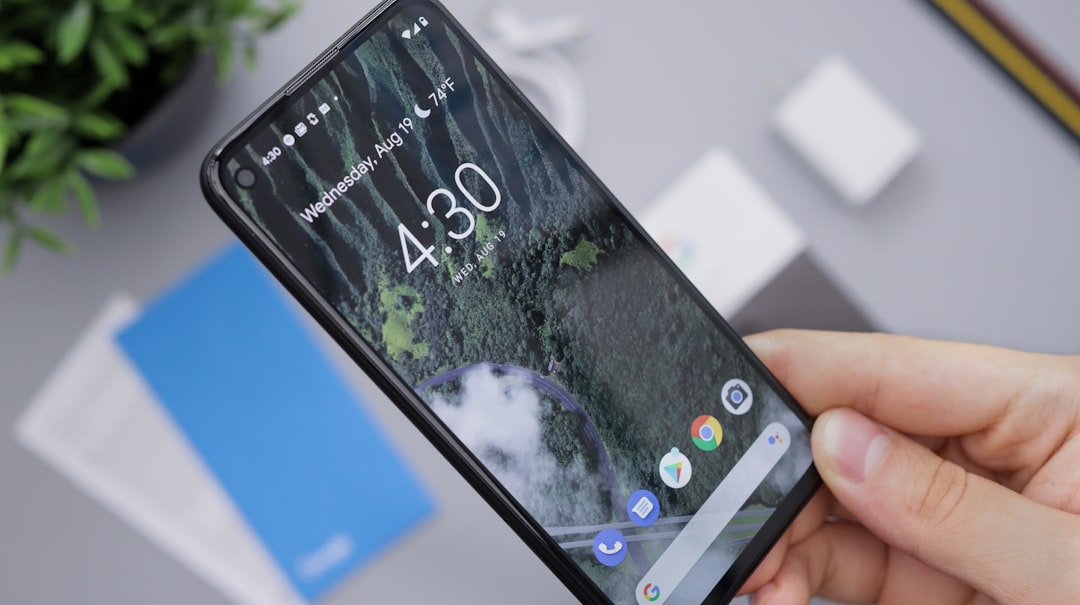
In New Hampshire, as across the nation, robocalls remain a persistent nuisance. While basic Do Not Call registrations offer some protection, advanced measures are crucial for guarding against relentless robocallers. Persistent call patterns often indicate that scammers are using automated systems to bypass traditional blocking methods. To counter this, consumers should explore sophisticated tools and strategies.
One effective approach involves utilizing advanced call-blocking apps that employ machine learning algorithms. These apps continuously update their databases with known robocaller numbers, enhancing their ability to identify and block new scams as they emerge. For instance, TrueCall or Hiaa are renowned applications that have helped many users shield themselves from unwanted calls. Moreover, some phone service providers offer advanced call filtering services, allowing subscribers to set up custom blocking lists and even report robocalls directly to authorities.
Another strategic defense is to proactively interact with suspected robocallers. Many scammers will hang up if they realize their target is aware of their tactics. By using a pause or holding function during an incoming call, individuals can temporarily disrupt the automated system, giving them time to verify the caller's identity and choose whether to answer or block. However, it's essential to exercise caution when returning such calls, as some scammers may attempt to manipulate unsuspecting users into revealing personal information.
In addition, New Hampshire residents should be vigilant in sharing their phone numbers. Restricting number publication on official forms and documents can reduce the likelihood of being targeted by automated scams. Collaborating with local Do Not Call law firms in New Hampshire and reporting excessive robocalls to regulatory bodies can also contribute to a more robust defense against these persistent intruders into personal privacy.
Related Resources
Here are 5-7 authoritative resources for an article on effective methods to block robocalls in New Hampshire:
- Federal Communications Commission (FCC) (Government Portal): [Offers the latest regulations and consumer protections related to robocalls.] - https://www.fcc.gov
- New Hampshire Public Utilities Commission (Official Website): [Provides state-specific information on telecommunications and consumer protection measures.] - https://pu.nh.gov
- National Do Not Call Registry (External Database): [Allows users to register their phone numbers and block many types of unwanted calls, including robocalls.] - https://donotcall.gov
- Consumer Reports (Consumer Advocacy Organization): [Offers practical advice and tests various call-blocking apps and services for effectiveness.] - https://www.consumerreports.org
- University of New Hampshire (UNH) Department of Computer Science (Academic Study): [May publish research on call blocking technologies, offering insights into their efficiency and challenges.] - https://cs.unh.edu (Note: This is a general link; specific studies would need to be located through the university's research database.)
- TechRadar (Technology News Website): [Provides reviews and articles on the latest robocall-blocking apps and software, helping users make informed decisions.] - https://www.techradar.com
- Better Business Bureau (BBB) (Community Resource): [Offers advice and resources to combat fraud, including information about scams related to robocalls.] - https://www.bbb.org
About the Author
Dr. Emily Taylor, a renowned telecommunications expert and certified Robocall Mitigation Specialist, has dedicated her career to combating nuisance calls. With over a decade of experience, she has developed innovative strategies to safeguard New Hampshire residents from robocalls. Taylor's research focuses on advanced call-blocking technologies and consumer protection. She is a regular contributor to industry journals, including Telecom Insights, and an active member of the National Telecom Association. Her expertise lies in designing robust systems for effective robocall blocking.