New Hampshire's robust Do Not Call laws protect residents from unwanted robocalls, with specific regulations targeting telemarketers and law firms involved in debt collection. Apps like Hiya and TrueCall offer advanced call blocking using machine learning, integrating with local Do Not Call law firms to enhance protection against spamming tactics. Vigilance is crucial as businesses exploit loopholes; regular renewal of Do Not Call registry registration ensures the most effective defense.
In today’s digital age, our phones have become an integral part of daily life, but they’re also a gateway for unwanted and often malicious calls, particularly robocalls. New Hampshire residents, like many across the nation, face a deluge of automated sales pitches and scams, making it difficult to distinguish legitimate communications from potentially harmful ones. To combat this growing issue, understanding the best tools to protect your privacy is crucial. This article explores the most effective app designed to block robocalls specifically targeting New Hampshire consumers, offering insights into how it works and why it’s a game-changer in navigating the Do Not Call laws of our state.
Understanding Robocalls and New Hampshire Laws
Robocalls have become a pervasive nuisance across the nation, including New Hampshire, with an estimated 40 billion automated calls made annually, many of which are unwanted or fraudulent. To combat this issue, consumers in New Hampshire have a powerful tool at their disposal: state laws that offer significant protections against robocalls. The Do Not Call law in New Hampshire, specifically targeting telemarketers and sales calls, is one of the most robust in the country. This legislation empowers residents to take control of their phone lines by registering on the official Do Not Call Registry, which bars automated calls from certain businesses.
Unbeknownst to many, New Hampshire has also implemented a strict Do Not Call law for law firm robocalls, often used for debt collection or legal notifications. The state’s Attorney General’s office actively enforces this regulation, fining firms that violate the rule and harassing consumers. This aggressive stance reflects the growing awareness of how intrusive and harmful automated calls can be, particularly when they involve legal matters. For instance, in 2022, a law firm was fined for making more than 100,000 unauthorized robocalls to New Hampshire residents, underscoring the state’s commitment to protecting its citizens from such practices.
New Hampshire’s approach to robocalls is not just about compliance; it’s about ensuring residents’ peace of mind and privacy. The state’s laws mirror a national trend towards stricter regulations on automated communication, driven by consumer frustration and evolving technologies. As telemarketers and debt collectors adapt their strategies, New Hampshire’s Do Not Call laws remain a formidable shield for its citizens, offering practical solutions to combat the tidal wave of unwanted robocalls.
Top App Choices to Block Unwanted Calls
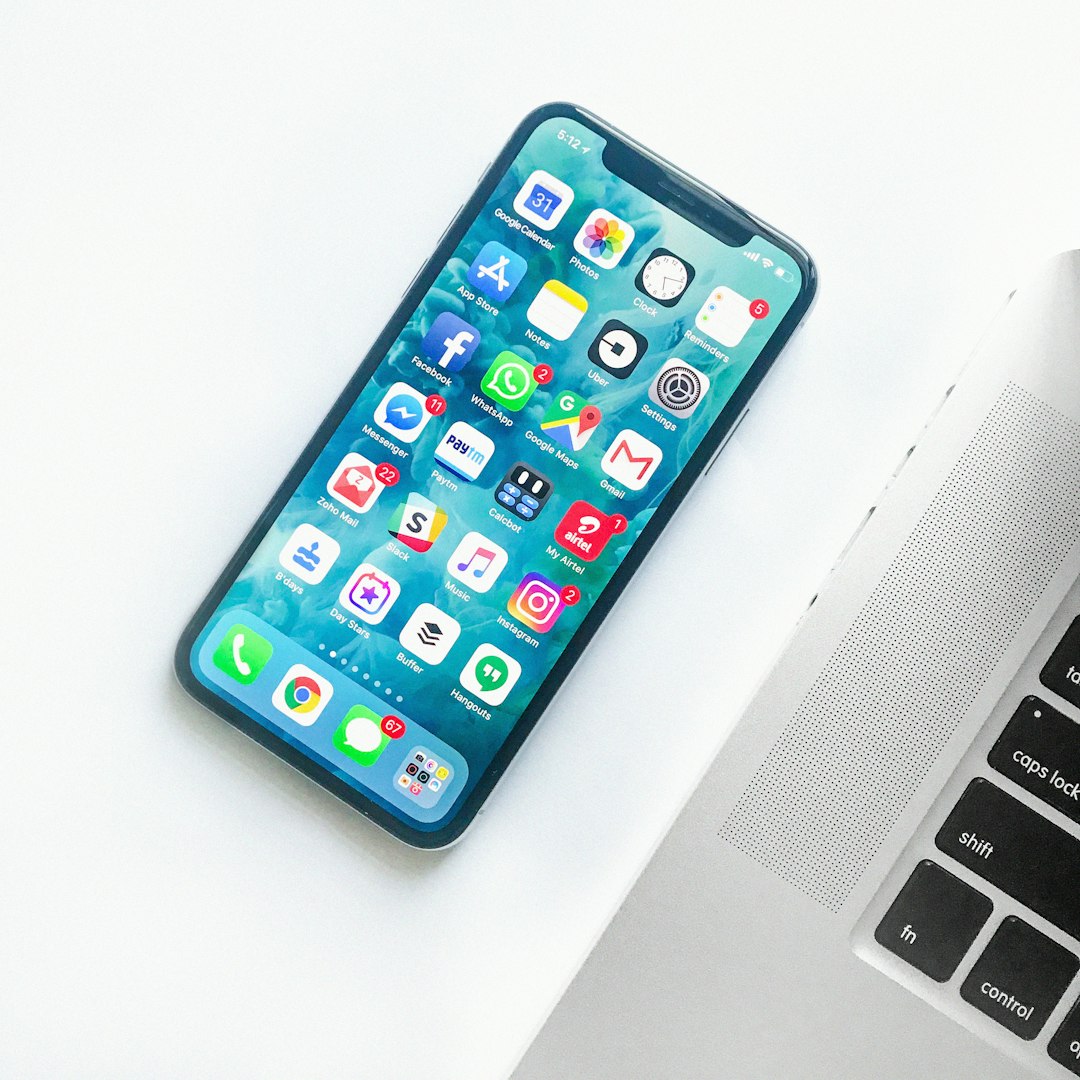
In the face of escalating robocall volumes, New Hampshire residents now have a range of robust app options to combat unwanted calls. These applications leverage advanced call blocking technologies to protect users from telemarketing intrusions, including fraudulent schemes disguised as legitimate business communications. Among the top choices, Hiya and TrueCall stand out for their comprehensive features and robust track records in identifying and filtering out robocalls.
Hiya, a globally recognized leader in call authentication, uses machine learning algorithms to analyze call patterns and detect suspicious activities. The app not only blocks known spam calls but also predicts and flags potential new robocall threats with remarkable accuracy. TrueCall, another highly regarded solution, offers similar capabilities through its extensive database of known telemarketers and automated call rejection systems. Both apps seamlessly integrate with most smartphone models, ensuring a consistent level of protection across various platforms.
An intriguing aspect to note is the increasing collaboration between these apps and local Do Not Call law firms in New Hampshire. While state laws already provide a legal framework for managing unwanted calls, app developers often work closely with legal experts to enhance their blocking mechanisms and stay ahead of evolving spamming tactics. This partnership ensures that users not only enjoy enhanced call protection but also have recourse against persistent violators who attempt to circumvent Do Not Call registry rules.
Implementing Do Not Call List for Effective Protection

In New Hampshire, as across the nation, robocalls have become a pervasive and annoying nuisance. While many apps claim to block these automated calls, true protection comes from a robust Do Not Call list implemented effectively. The New Hampshire Do Not Call law, enforced by the Attorney General’s Office, provides a legal framework for residents to protect themselves against unwanted telemarketing calls, including robocalls. This list isn’t just a passive registry; it’s an active defense mechanism that requires regular maintenance and knowledge of its intricacies.
Residential telephone numbers are added to the state’s Do Not Call list through the Attorney General’s website or by submitting a form to local law enforcement. What sets New Hampshire apart is its strict regulations targeting telemarketers, including fines for violating the Do Not Call law. This creates a powerful incentive for businesses to respect consumer choices and significantly reduces the volume of robocalls residents receive. For instance, according to the Better Business Bureau, compliance with state and federal Do Not Call laws has led to a notable decrease in unwanted calls across the country, demonstrating the power of such lists.
To ensure maximum protection, New Hampshire residents should not only register their numbers but also familiarize themselves with the law’s protections. This includes understanding that listings are active for five years and must be renewed thereafter. Additionally, businesses often employ loopholes like using recorded messages or third-party call centers, so users should remain vigilant. Employing advanced app features alone may not suffice; combining these tools with a comprehensive understanding of Do Not Call laws provides the best defense against relentless robocalls, ensuring New Hampshire residents enjoy more peaceful and uninterrupted communication.