
New Hampshire residents plagued by robocalls can leverage state laws and federal protections. Consulting a lawyer specializing in consumer protection or telecommunications law is advised for excessive or illegal calls. Robocall prevention apps using AI offer additional tools to block spam, with options like TruthFinder, Hiya, and NoCall. These measures empower residents to curb robocalls and create safer communication environments.
In today's digital era, no one is immune to the nuisance of robocalls. New Hampshire residents face a unique challenge with these unwanted calls, often from out-of-state sources. Understanding your legal rights and leveraging the right tools can help combat this issue. This article guides you through navigating robocalls in New Hampshire, outlines your protections under the law, and introduces top-rated robocall prevention apps designed to shield residents from relentless automated calls. For those facing persistent issues, consulting a lawyer specializing in robocall laws in New Hampshire is advisable.
Understanding Robocalls in New Hampshire

Robocalls, or automated telephone calls, have become a widespread nuisance across the nation, including the state of New Hampshire. These pre-recorded messages are often used for marketing purposes, but they can also be a source of frustration and even fraud for residents. In New Hampshire, as in many states, there are strict laws governing robocalls to protect consumers from unwanted and deceptive calls.
New Hampshire residents who find themselves on the receiving end of excessive or illegal robocalls may want to consider consulting a lawyer specializing in consumer protection or telecommunications law. A legal expert can guide them through their rights and options, including potential actions against call centers or telemarketing companies responsible for the nuisance calls. By understanding the laws protecting them, residents can take proactive steps to stop robocalls and create a safer, less intrusive communication environment.
Legal Rights Against Unwanted Calls

Residents of New Hampshire have legal rights when it comes to dealing with unwanted robocalls. According to the Telephone Consumer Protection Act (TCPA), businesses are prohibited from making automated or prerecorded calls to individuals without their prior express consent. If you've been disturbed by these calls, you may have recourse. A lawyer for robocall cases in New Hampshire can help you understand your rights and guide you through the process of filing a complaint with the Federal Trade Commission (FTC) or taking legal action against the offending company.
In many instances, individuals who feel they've been harassed by persistent robocalls may be entitled to damages, including monetary compensation for each violation. The TCPA allows for individual consumers to seek up to $500 per violation, and if the case is considered willful or knowing, that amount can increase to $1,500 per call. Having a legal professional on your side can ensure you receive fair compensation and hold offending parties accountable for their actions.
Top Robocall Prevention Apps for NH Residents
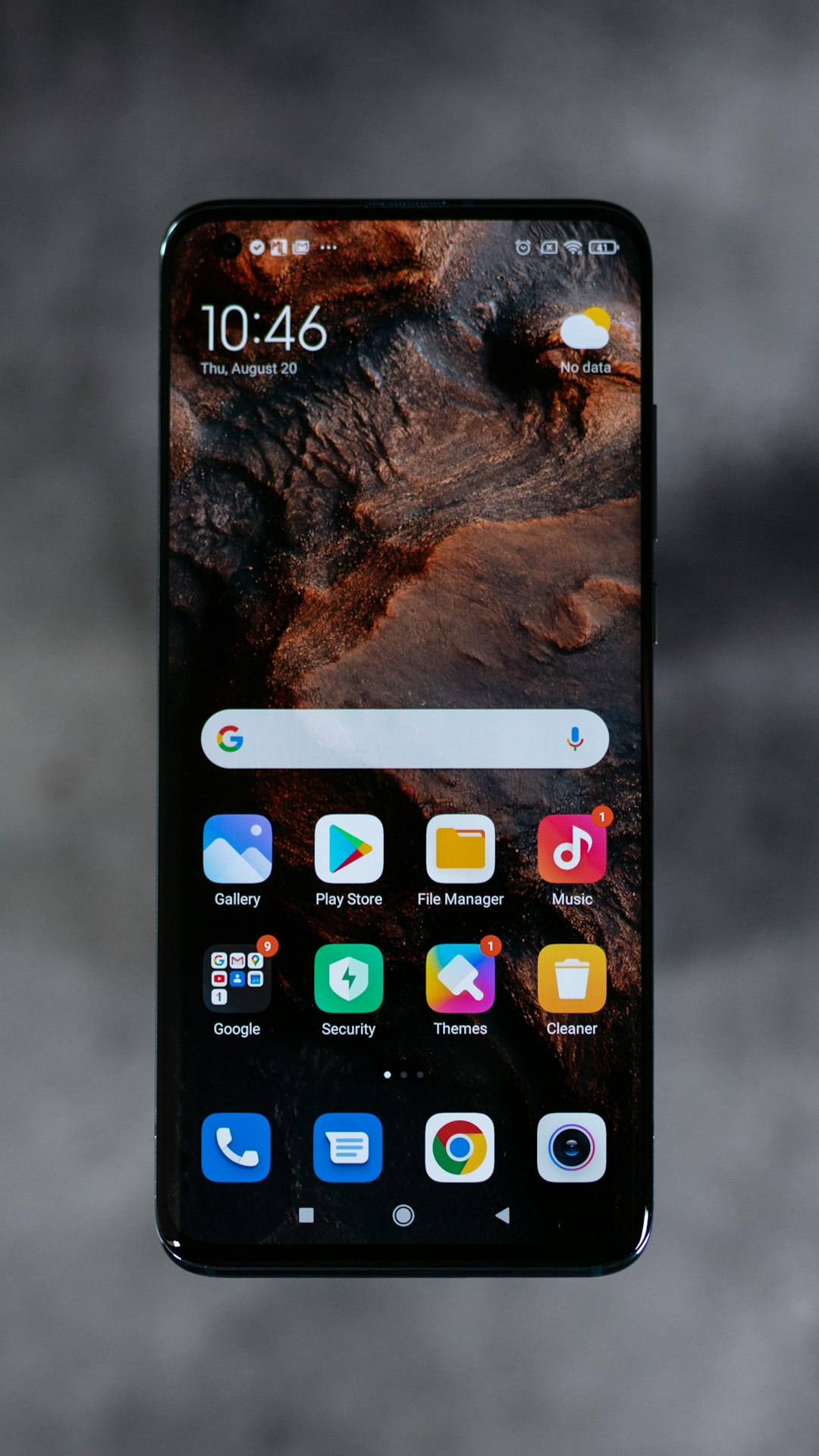
In today's digital era, residents of New Hampshire face an increasing number of unwanted robocalls from various sources. To combat this issue, several top-rated robocall prevention apps have emerged, offering much-needed relief for NH folks. These applications leverage advanced technologies like AI and machine learning to identify and block spam calls before they reach your phone.
Some of the most effective robocall prevention apps available for New Hampshire residents include TruthFinder, Hiya, and NoCall. Each app provides unique features tailored to help users navigate a labyrinthine landscape of automated calls from marketing firms, debt collectors, and even potential lawyers for robocall issues. By utilizing these tools, NH residents can regain control over their phone lines and protect themselves from intrusive and often fraudulent calls.